
I am Made in Curacao
Why Brand Your Product with "Made in Curaçao" Alongside Your Own Brand? A Strategic Guide for Local Entrepreneurs!
"Made in Curaçao"
Getting Started
This blog post dives deep into the why, exploring the benefits, potential caveats, and exciting opportunities of embracing this collective feature. Whether you're crafting souvenirs, artisanal foods, fashion, or wellness products, understanding this dual-branding approach can help position your business for sustainable growth.
The Need for Collective Branding in Curaçao's Context
We are c.
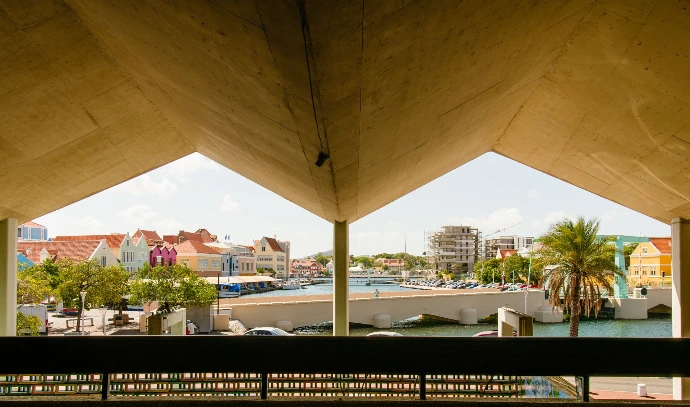
A "Made in Curaçao" label, promoted through initiatives linked to organizations like Fundashon Marshe and aligned with Ministry of Economic Development (MEO) goals, creates a recognizable collective mark. It signals quality, heritage, and economic impact, much like "Made in Italy" for fashion or regional PDOs (Protected Designations of Origin) elsewhere. Dual branding lets your individual identity shine while borrowing credibility and visibility from the island's shared story of resilience, creativity, and Caribbean uniqueness (think Punda colors, divi-divi trees, and cultural motifs).
Key Benefits of Dual Branding
We
Enhanced Consumer Trust and Perceived Value
Marketing and Visibility Boost
Economic and Community Impact
Differentiation in a Competitive Market
Access to Support and Incentives
Certification often unlocks grants, technical assistance, training, or priority in public procurement and market placements, aligning with national economic development plans.
We also provide regular updates and new features based on user feedback, ensuring that our platform continues to evolve to meet your needs.
Caveats and Potential Challenges
While compelling, dual branding isn't without hurdles.
A thorough approach requires weighing these:
- Certification Requirements and Compliance Costs
Qualifying (e.g., meeting local content thresholds like 50% materials/labor) may involve audits, documentation, or process changes. Small producers might face upfront costs for testing, labeling, or reformulating products. Non-compliance risks label revocation or reputational damage.
- Design and Brand Dilution Risks
Adding another mark requires thoughtful integration so it complements, not overwhelms, your unique identity. Poor execution could make packaging feel cluttered or generic. Test designs with your audience to maintain brand equity.
- Market Perception and Over-Supply
If many vendors adopt the label without consistent quality, it could dilute perceived value (the "tragedy of the commons"). Tourists might question authenticity if low-quality items flood the market. Strict standards and enforcement are essential.
- Limited Global Recognition
Unlike "Made in Switzerland" (watches) or "Made in France" (wine), Curaçao's label is emerging. It shines locally and in Caribbean tourism circles but may need pairing with strong individual branding for export markets. Supply chain logistics for exports add complexity.
- Operational Nuances
Labeling must comply with import/export rules, packaging regulations, and digital/print adaptations. Edge cases include blended products (partially local) or seasonal items, which might need tiered labeling.
Mitigation: Start small, seek MEO/Fundashon Marshe guidance, and iterate based on feedback. Many successful "Made in" programs emphasize transparency and continuous improvement.
Collective labels create a unified promotional front. Markets, tourist boards, and events can feature "Made in Curaçao" collections, driving traffic to certified vendors. Your product benefits from broader campaigns, social media spotlights, and shelf space in key locations without solo marketing costs. This is especially valuable for small businesses scaling through workshops or grant-supported initiatives.
Opportunities: Turning Collective Branding into Growth
While compelling, dual branding isn't without hurdles.
Broader implications include economic diversification beyond tourism/refining, job creation in creative sectors, and stronger island identity, aligning with national plans for resilient growth.
This post is inspired by ongoing efforts to support local vendors and cultural marketplaces in Willemstad.