
Ir al contenido

The Origen Branding

1 de julio de 2026 por
The Origen Branding
AdminTeam

I am Made in Curacao

Why Brand Your Product with "Made in Curaçao" Alongside Your Own Brand? A Strategic Guide for Local Entrepreneurs!

"Made in Curaçao"

Why Brand Your Product with "Made in Curaçao" Alongside Your Own Brand? A Strategic Guide for Local Entrepreneurs

Getting Started


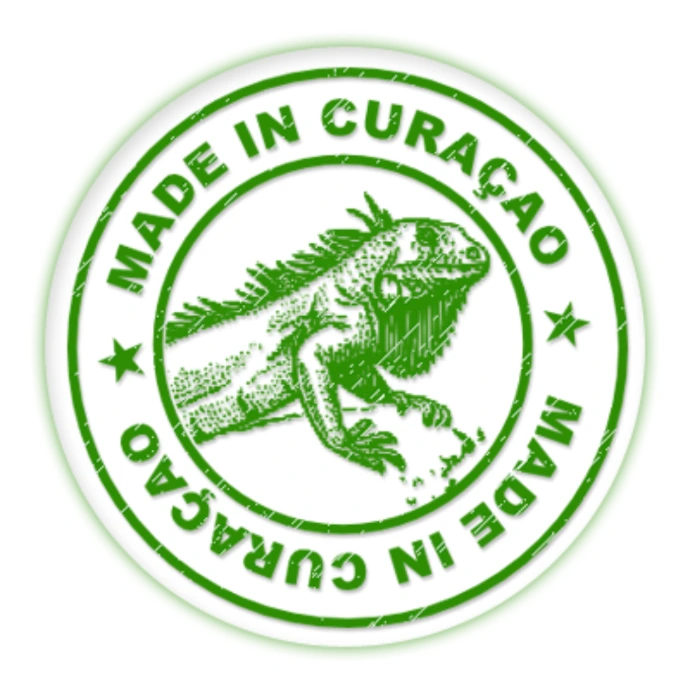
In the vibrant marketplaces of Curaçao, from Marshe Nobo and Plasa Bieu to Punda's bustling streets, local makers, artisans, and small businesses are discovering the power of dual branding. Adding the collective "Made in Curaçao" label (often tied to certification efforts emphasizing significant local content, such as 50% or more) next to your unique brand isn't just a nice-to-have; it's a smart move that amplifies your story, strengthens community ties, and opens doors in a tourism-driven economy.


This blog post dives deep into the why, exploring the benefits, potential caveats, and exciting opportunities of embracing this collective feature. Whether you're crafting souvenirs, artisanal foods, fashion, or wellness products, understanding this dual-branding approach can help position your business for sustainable growth.


The Need for Collective Branding in Curaçao's Context

We are c.

Curaçao's economy leans heavily on tourism (a major GDP contributor), services, and light manufacturing, with a push toward diversifying through local production and cultural pride. Souvenirs and local crafts like Chichi dolls, aloe products, jewelry, and liqueurs already draw visitors seeking authenticity. However, many items sold as "local" are imported, making it hard for consumers to distinguish genuine Curaçao-made goods.

A "Made in Curaçao" label, promoted through initiatives linked to organizations like Fundashon Marshe and aligned with Ministry of Economic Development (MEO) goals, creates a recognizable collective mark. It signals quality, heritage, and economic impact, much like "Made in Italy" for fashion or regional PDOs (Protected Designations of Origin) elsewhere. Dual branding lets your individual identity shine while borrowing credibility and visibility from the island's shared story of resilience, creativity, and Caribbean uniqueness (think Punda colors, divi-divi trees, and cultural motifs). 


Key Benefits of Dual Branding

We 

  • Enhanced Consumer Trust and Perceived Value

Shoppers, especially tourists, actively seek authentic local products. Country-of-origin labeling helps them make informed choices, often leading to a willingness to pay a premium for items tied to place and culture. Pairing your brand with "Made in Curaçao" reassures buyers of genuineness, craftsmanship, and support for the local economy. For example, a handmade jewelry piece or snack bar item gains emotional appeal when it carries both your logo and the certification mark, evoking national pride ("Kòrsou na FIFA World Cup" vibes or Chichi-inspired designs).

  • Marketing and Visibility Boost  

  ​Collective labels create a unified promotional front. Markets, tourist boards, and events can feature "Made in Curaçao" collections, driving traffic to certified vendors. Your product benefits from broader campaigns, social media spotlights, and shelf space in key locations without solo marketing costs. This is especially valuable for small businesses scaling through workshops or grant-supported initiatives.

  • Economic and Community Impact

​​Every purchase supports jobs, skills preservation, and reduced import dependency. Dual branding reinforces this narrative, appealing to conscious consumers. It can also strengthen supply chains e.g., sourcing local materials for souvenirs, fostering collaborations among vendors.

  • Differentiation in a Competitive Market

    ​In a place where imports dominate shelves, the label sets you apart. It ties into cultural events, like soccer watch parties or "Made in Curaçao" certification drives, creating storytelling opportunities that resonate with both locals and visitors.

  • Access to Support and Incentives

    ​Certification often unlocks grants, technical assistance, training, or priority in public procurement and market placements, aligning with national economic development plans.

We also provide regular updates and new features based on user feedback, ensuring that our platform continues to evolve to meet your needs.

Documentation

Caveats and Potential Challenges

While compelling, dual branding isn't without hurdles. 

A thorough approach requires weighing these:

- Certification Requirements and Compliance Costs
  
Qualifying (e.g., meeting local content thresholds like 50% materials/labor) may involve audits, documentation, or process changes. Small producers might face upfront costs for testing, labeling, or reformulating products. Non-compliance risks label revocation or reputational damage.

- Design and Brand Dilution Risks  
  Adding another mark requires thoughtful integration so it complements, not overwhelms, your unique identity. Poor execution could make packaging feel cluttered or generic. Test designs with your audience to maintain brand equity.

- Market Perception and Over-Supply 
  If many vendors adopt the label without consistent quality, it could dilute perceived value (the "tragedy of the commons"). Tourists might question authenticity if low-quality items flood the market. Strict standards and enforcement are essential.

- Limited Global Recognition
  Unlike "Made in Switzerland" (watches) or "Made in France" (wine), Curaçao's label is emerging. It shines locally and in Caribbean tourism circles but may need pairing with strong individual branding for export markets. Supply chain logistics for exports add complexity.

- Operational Nuances  
  Labeling must comply with import/export rules, packaging regulations, and digital/print adaptations. Edge cases include blended products (partially local) or seasonal items, which might need tiered labeling.

Mitigation: Start small, seek MEO/Fundashon Marshe guidance, and iterate based on feedback. Many successful "Made in" programs emphasize transparency and continuous improvement.

​Collective labels create a unified promotional front. Markets, tourist boards, and events can feature "Made in Curaçao" collections, driving traffic to certified vendors. Your product benefits from broader campaigns, social media spotlights, and shelf space in key locations without solo marketing costs. This is especially valuable for small businesses scaling through workshops or grant-supported initiatives.


Documentation

Opportunities: Turning Collective Branding into Growth

While compelling, dual branding isn't without hurdles. 

The "Made in Curaçao" feature isn't a static label it's a platform for innovation and expansion:

1. Storytelling and Experiential Marketing
   Highlight the dual brand in narratives: workshops (max 25 pax, joint with partners like CITI/Mi Negoshi), behind-the-scenes tours, or limited-edition collections featuring island motifs. This builds loyalty and social proof.

2. Tourism and Export Synergies
   Leverage Curaçao's 1.5M+ annual visitors for direct sales while using the label for e-commerce or diaspora markets. Pair with events, payment innovations (e.g., CXpay), or pop-ups. Long-term: regional Caribbean trade or niche exports (e.g., sustainable crafts).

3. Innovation and Product Development 
   Certification encourages R&D, upcycled materials, new flavors, or tech integrations (POS-friendly categories). It opens doors to collaborations, co-branded lines, or value-added processing.

4. Sustainability and ESG Appeal  
   Emphasize reduced carbon footprints, cultural preservation, and community benefits. This attracts eco-conscious buyers and potential impact investors or further grants.

5. Scalability for SMEs  
   Collective strength helps small players compete with imports. Track metrics like sales uplift, repeat customers, and media mentions to quantify ROI. Edge opportunity: Digital badges for online stores or NFT-linked authenticity for premium items.

Broader implications include economic diversification beyond tourism/refining, job creation in creative sectors, and stronger island identity, aligning with national plans for resilient growth.

Final Thoughts: A Call to Action for Curaçao Makers

Branding with "Made in Curaçao" alongside your own isn't about replacing your story, it's about amplifying it within a powerful collective narrative. The benefits in trust, visibility, and impact often outweigh caveats when approached strategically. For vendors at Fundashon Marshe markets or beyond, this is an invitation to elevate your craft while contributing to a thriving local ecosystem.

If you're a maker or entrepreneur, explore certification pathways through relevant foundations and MEO programs. Experiment with mockups, gather customer feedback, and track results. The island's colorful heritage, entrepreneurial spirit, and growing tourism wave provide fertile ground, now is the time to claim your place in the "Made in Curaçao" story.

What are your thoughts on dual branding? Share in the comments or reach out if you're ready to certify and showcase your products. Let's build a stronger, prouder Curaçao economy together.

This post is inspired by ongoing efforts to support local vendors and cultural marketplaces in Willemstad.

en News